
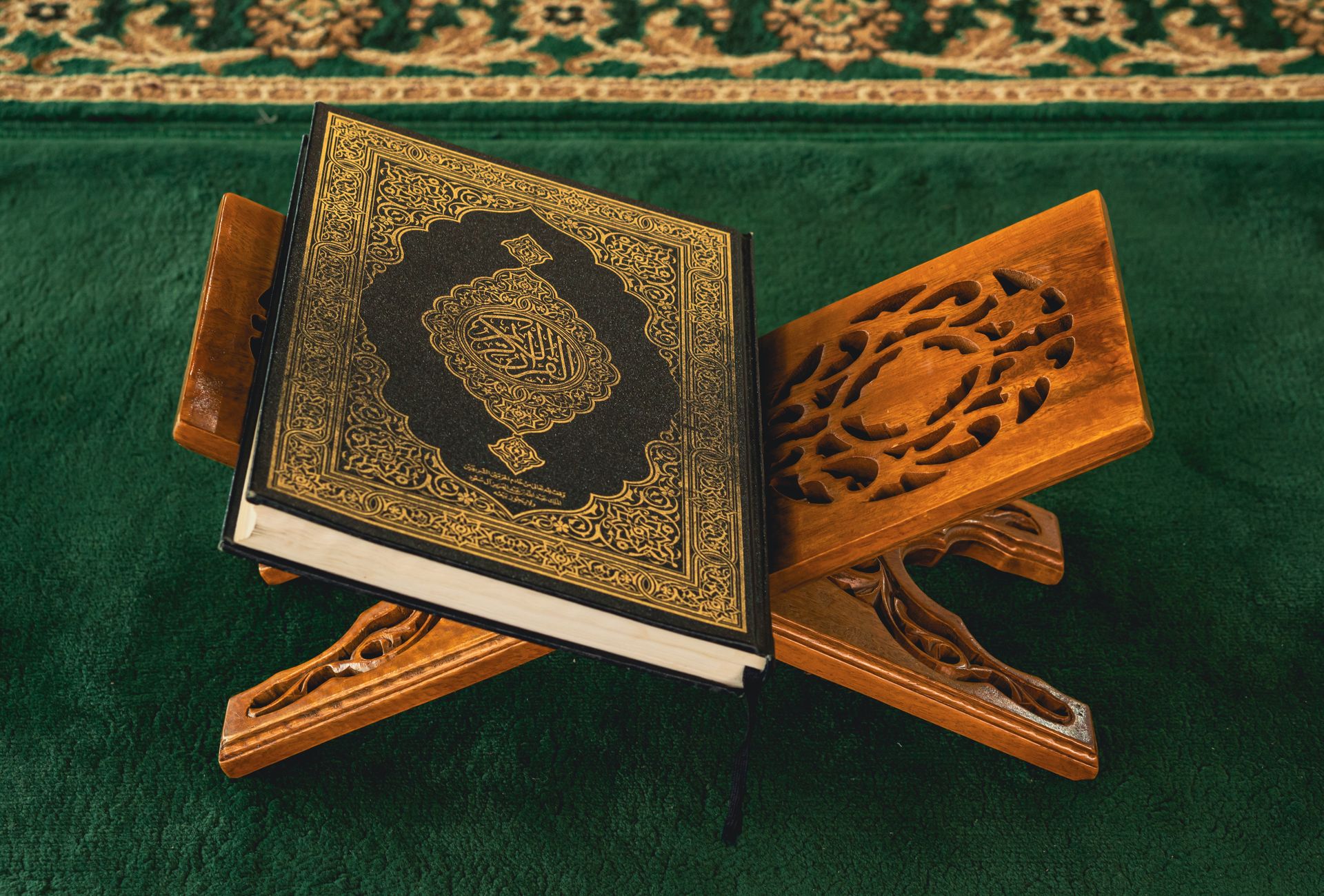
Tarjuma Tul Quran Notes — Complete Study Guide for Class 9 and 10
Tarjuma Tul Quran is one of the most rewarding subjects in class 9 and 10, because it connects students directly with the message of the Quran in a language they can understand. Many students, however, treat it as a memorisation subject and cram translations the night before the exam. That approach rarely works. This guide explains what the subject covers, how to study it surah by surah, and how to revise translations properly.
What Is Tarjuma Tul Quran as a Subject?
Tarjuma Tul Quran means the translation of the Quran. Students study selected surahs and passages with their Urdu translation, and learn the meanings of important Arabic words used in them. The goal is not only to pass an exam, but to understand what Allah is saying, so the guidance can shape daily life, character, and decisions. The subject therefore has two sides: knowledge and action. You are expected to know the translation and key word meanings, and also to understand the lesson each passage teaches — for example, honesty, patience, gratitude, kindness to parents, or justice. Teachers often test both sides.
What the Course Generally Covers
The course generally includes selected surahs and passages prescribed for your class, studied with translations and word meanings. The exact selection can differ by class and session, so always follow your teacher and your board’s current syllabus. In general terms, the passages cover themes such as Tauheed (Oneness of Allah, and that no partner should be associated with Him), Risalat (the role of the Prophets as guides for mankind), Akhirah (accountability, reward, and punishment, and this life as a test), moral conduct (truthfulness, patience, gratitude, forgiveness, fulfilling promises), and social responsibilities (kindness to parents, care for neighbours, justice in dealings, helping the poor and needy). You do not need to memorise the whole Quran for this subject — only your prescribed passages, their translations, their important words, and their central messages.
How the Paper Is Generally Structured
Paper patterns vary by board and session, so confirm the current pattern from your teacher or your board’s official website. In general terms, a Tarjuma Tul Quran paper may include translation questions (translate a given passage or part of it into Urdu), word meanings (meanings of selected Arabic words from the prescribed passages), short questions (about the theme, message, or lesson of a passage), and multiple choice questions (the correct meaning, reference, or message from given options). The paper usually tests understanding rather than word-for-word cramming: a student who understands the passage can answer even when a question is worded in a new way.
Surah-wise Study Pointers
Study each prescribed passage in the same four steps:
- Read the passage with translation first. Read the Arabic text slowly, then its Urdu translation carefully. Understanding comes before memorisation.
- Note the central theme. Ask: what is this passage mainly about — faith, patience, gratitude, or justice? Write the theme in one line in your own words.
- Learn the key words. Every passage has a few Arabic words that appear again and again in questions. Learn their meanings and practise using them; word-meaning questions are easy marks if prepared regularly.
- Extract the life lesson. Ask: what should I do differently after reading this passage? A passage on gratitude should remind you to thank Allah and appreciate your blessings; one on patience, to stay calm in difficulty. Writing the lesson in your own words helps you answer short questions confidently.
Keep a notebook with one page per passage: theme, five to ten word meanings, and two lines on the lesson. Revising from it is far quicker than re-reading the book.
How to Memorise and Revise Translations
Translations are best learned in short, regular sessions. Study one passage at a time: read its translation, close the book, retell the meaning in your own words, then open the book and correct yourself. Before starting a new passage, revise the previous one — this takes five minutes but stops earlier work from fading. Use word meanings as anchors: knowing the key words makes the translation much easier to recall. Reciting a passage to a classmate, sibling, or parent is one of the best tests of understanding; if you cannot explain it simply, you have not understood it yet. Finally, revise weekly, not only before exams: fifteen minutes of weekly revision keeps everything fresh, so exam time becomes revision, not first-time learning.
Original Practice Questions
Short Questions and Answers
Q1. What is the main purpose of studying Tarjuma Tul Quran?
To understand the Quran’s message in your own language, so you can act on its guidance daily, not merely read without understanding.
Q2. Why learn the meanings of Arabic words in the prescribed passages?
Because they help you understand translations correctly, answer vocabulary questions accurately, and form the foundation for any new passage.
Q3. What is the difference between memorising a translation and understanding it?
Memorising repeats words without sense and is easily forgotten. Understanding grasps what the passage says and teaches, lasting longer and helping in all question types.
Q4. How should a student revise Tarjuma Tul Quran regularly?
By studying one passage at a time, retelling its meaning in their own words, revising the previous passage first, and doing short weekly revision.
Q5. What lesson do passages on patience generally teach students?
They generally teach that difficulties are a test, that believers should stay steadfast and hopeful, and that patience is rewarded. Study each passage’s own lesson from its text.
Multiple Choice Questions
Q1. The word “Tarjuma” means:
a) Recitation b) Translation c) Memorisation d) Commentary
Answer: b) Translation
Q2. The best way to prepare a passage is to:
a) Read it once the night before the exam
b) Understand its theme, learn its key words, and revise it regularly
c) Memorise only the first line
d) Skip the translation and read summaries only
Answer: b) Understand its theme, learn its key words, and revise it regularly
Q3. Word-meaning questions in the paper test:
a) Handwriting b) Knowledge of important Arabic words from the prescribed passages c) Speed of writing d) General knowledge
Answer: b) Knowledge of important Arabic words from the prescribed passages
Q4. If a question asks about the lesson of a passage, the student should:
a) Copy the translation word for word
b) Write the central message and its practical lesson in their own words
c) Leave the question blank
d) Write about a different passage
Answer: b) Write the central message and its practical lesson in their own words
Q5. Regular weekly revision is useful because:
a) It increases the syllabus
b) It keeps earlier passages fresh and reduces exam-time pressure
c) It replaces the need to study
d) It is only for weak students
Answer: b) It keeps earlier passages fresh and reduces exam-time pressure
Common Mistakes to Avoid
- Cramming translations without understanding. This fails the moment a question is asked in different words. Study the meaning first.
- Ignoring word meanings. Many students lose easy marks here, even though word meanings are the simplest part of the paper to prepare.
- Studying only the translation and skipping the lesson. Short questions usually ask about the message and lesson, not just the translation.
- Using old or unauthorised material. Follow your teacher and your board’s current prescribed selection; old notes from social media may not match your session.
- Leaving revision for the last week. Translations fade quickly without revision. Short, regular revision is the only reliable method.
Key Takeaways
- Tarjuma Tul Quran teaches understanding of the Quran’s message, not just reading or memorisation.
- Study each passage in four steps: translation, theme, key words, and life lesson.
- Word meanings are easy marks — prepare them regularly.
- Revise weekly in short sessions; do not leave everything for exam time.
- Always follow your teacher and your board’s current prescribed selection and paper pattern.
Frequently Asked Questions
Is Tarjuma Tul Quran only about memorising translations?
No. It is mainly about understanding the message, key word meanings, and each passage’s lessons. Understanding outlasts memorisation and helps in every question type.
How many passages should I prepare?
Prepare all passages prescribed for your class and session. Do not rely on guesses about which passages ‘will come’.
What is the best way to learn difficult Arabic words?
Write each word with its meaning, revise a few daily, and use them while retelling passages. Short regular revision beats learning many words at once.
Can I pass by studying only translations?
You may answer translation questions, but short questions and word meanings also carry marks. Complete preparation covers translation, meanings, themes, and lessons.
Where can I confirm the current syllabus and paper pattern?
From your teacher and board website. Patterns and selections change between sessions, so confirm the current ones for your exam.
Does understanding the lesson of a passage help in exams?
Yes. Many short questions ask about a passage’s theme and message, which a student who understands the lesson can answer in their own words confidently.
Disclaimer: This is a general study guide, not an official board announcement. The prescribed passages, syllabus, and paper pattern are set by your board and can change from session to session. Always confirm current details on your board’s official website.